Key Takeaways
- What are Schengen countries?
- How does the Schengen visa work?
- Top destinations to visit in Schengen countries
In This Article
Table des matières
Introduction
Si vous envisagez d'explorer l'Europe, les pays Schengen devraient figurer en haut de votre liste. Les pays Schengen sont un groupe de 27 pays qui ont supprimé les contrôles de passeport et autres types de contrôles frontaliers à leurs frontières communes.
Cela signifie qu'une fois que vous êtes entré dans un pays Schengen, vous pouvez voyager librement dans la zone Schengen sans avoir à passer de contrôles d'immigration aux frontières.
Cela rend non seulement vos voyages sans souci, mais vous permet également d'explorer plusieurs pays sans paperasse supplémentaire ni périodes d'attente. Dans cet article de blog, nous explorerons pourquoi les pays Schengen sont votre porte d'entrée pour explorer l'Europe sans souci.
Que sont les pays Schengen ?
L'Accord de Schengen a rendu les voyages entre les pays Schengen remarquablement pratiques. Il y a actuellement 27 pays membres de l'Accord, dont l'Autriche, la Belgique, la Tchéquie, le Danemark, l'Estonie, la Finlande, la France, l'Allemagne, la Grèce, la Hongrie, l'Islande, l'Italie, la Lettonie, le Liechtenstein, la Lituanie, le Luxembourg, Malte, les Pays-Bas, la Norvège, la Pologne, le Portugal, la Slovaquie, la Slovénie, l'Espagne, la Suède et la Suisse.
Avec la politique de visa commune, les voyageurs n'ont besoin que d'un seul visa pour visiter plusieurs pays Schengen. De plus, des pays non membres de l'UE comme l'Islande, la Norvège, la Suisse et le Liechtenstein font également partie de l'Accord de Schengen, simplifiant davantage les voyages en Europe.
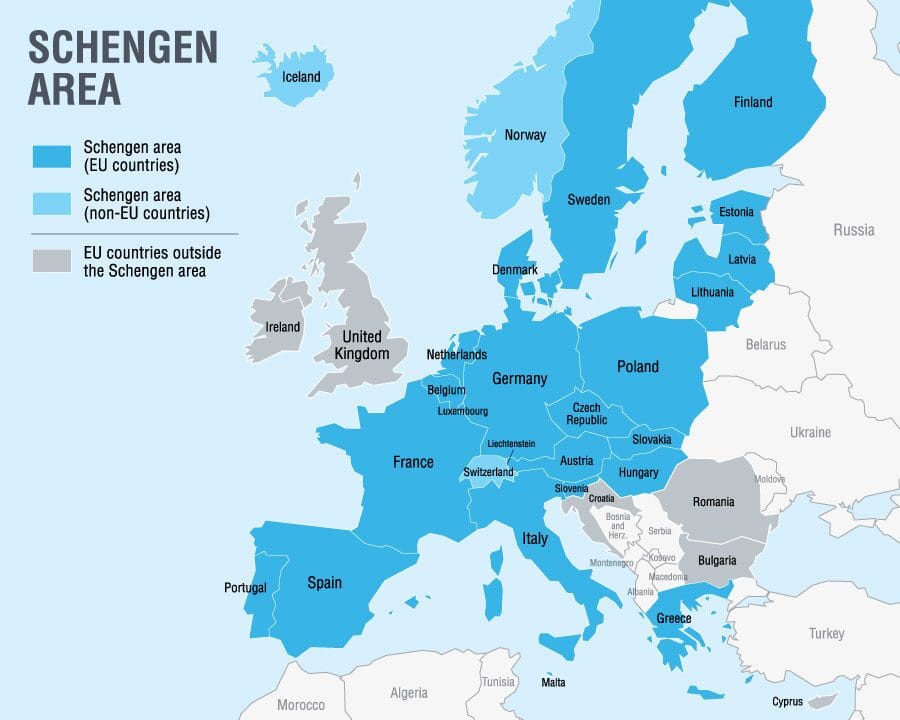
L'Accord de Schengen
L'Accord de Schengen est sans doute l'un des traités les plus influents de l'histoire européenne moderne. Il a été signé en 1985 à Schengen, au Luxembourg, et visait à supprimer les contrôles frontaliers entre les pays participants et à permettre aux personnes et aux marchandises de circuler librement dans la région.
Il y a actuellement 27 pays qui font partie de la zone Schengen, qui comprend la majeure partie de l'UE. Grâce à cet Accord, les voyages et le commerce entre ces nations sont devenus beaucoup plus confortables et sans souci. Et il n'est pas surprenant que l'Accord de Schengen ait eu un impact significatif sur le tourisme et le commerce en Europe.
Liste des pays Schengen
L'Accord de Schengen signé par 27 pays a créé une zone unifiée permettant aux voyageurs de se déplacer sans être arrêté aux frontières. Les pays Schengen ont supprimé les contrôles de passeport et autres types de contrôles frontaliers à leurs frontières communes, rendant les voyages entre ces pays beaucoup plus pratiques.
Ces pays partagent des politiques de visa communes, ce qui signifie que les voyageurs n'ont besoin que d'un seul visa pour visiter plusieurs pays Schengen. La zone Schengen permet la libre circulation des personnes, des marchandises et des services entre les États membres, permettant un échange vibrant de cultures et de commerce. Cela a impacté non seulement le tourisme, mais aussi le commerce en Europe.
Voici la liste des pays Schengen
| Autriche | Belgique | Croatie | Tchéquie |
| Danemark | Estonie | Finlande | France |
| Allemagne | Grèce | Hongrie | Islande |
| Italie | Lettonie | Liechtenstein | Lituanie |
| Luxembourg | Malte | Pays-Bas | Norvège |
| Pologne | Portugal | Slovaquie | Slovénie |
| Espagne | Suède | Suisse |
Types de visas Schengen
Si vous prévoyez de voyager dans les pays Schengen, il est important de vous familiariser avec les différents types de visas disponibles.
Il existe trois types de visas Schengen :
- Visas Schengen à validité territoriale uniforme (USV)
- Visas à validité territoriale limitée (LTV)
- Visas nationaux.
Visas Schengen à validité territoriale uniforme (USV) permettent aux voyageurs de circuler librement dans la zone Schengen pour un maximum de 90 jours, sur une période de six mois. D'autre part, Visas à validité territoriale limitée (LTV) offrent un accès limité à certains pays Schengen et ne sont pas valables pour voyager dans tous les pays membres.
Visas nationaux, également connus sous le nom de visas de type D, permettent au titulaire de résider dans un pays Schengen spécifique pour une période plus longue à des fins de travail, d'études ou de regroupement familial. Ainsi, avant de planifier votre voyage, assurez-vous de choisir le type de visa qui correspond le mieux à vos besoins et objectifs.
Visa Schengen de court séjour
Si vous prévoyez un voyage en Europe pour des raisons professionnelles ou touristiques, un visa Schengen de court séjour est indispensable. Ce visa vous permet de circuler librement dans les 27 pays de l'espace Schengen pour une durée maximale de 90 jours.
La demande de visa Schengen de court séjour est un processus simple qui consiste à remplir un formulaire de demande en ligne, à fournir des données biométriques et à soumettre des documents justificatifs tels qu'une assurance voyage, des itinéraires de vol, des réservations d'hôtel et une preuve de ressources financières.
Vous pouvez facilement obtenir des documents importants tels que des itinéraires de vol et des réservations d'hôtel par l'intermédiaire d'un agent local ou d'une plateforme en ligne telle que Reservation Points, qui propose un support par chat 24h/24 et 7j/7 pour vous aider en cas de problème.
Les frais de demande sont de 80 € pour les adultes et de 40 € pour les mineurs. Gardez à l'esprit que, bien que le visa Schengen de court séjour vous permette de visiter plusieurs pays, vous devez déposer votre demande de visa auprès de l'ambassade ou du consulat du pays où vous passerez la majeure partie de votre temps ou de votre premier point d'entrée. Les délais de traitement peuvent varier, il est donc recommandé de présenter votre demande bien avant vos dates de voyage.
Visa Schengen de long séjour
Si vous souhaitez prolonger votre séjour au-delà de 90 jours dans les pays Schengen, un visa Schengen de long séjour pourrait être la solution. En tant que citoyen non européen, ce type de visa vous permet de rester dans l'espace Schengen pendant une période prolongée pour le travail, les études ou le regroupement familial.
Cependant, le processus de demande est assez complexe et nécessite une documentation approfondie, notamment une preuve de fonds suffisants et une assurance médicale. Il est donc crucial de présenter votre demande bien à l'avance car le traitement peut prendre plusieurs mois.
De plus, gardez à l'esprit que même avec ce visa, il peut y avoir des restrictions et des exigences auxquelles vous devrez vous conformer, comme l'enregistrement auprès des autorités locales à votre arrivée.
Visa de transit aéroportuaire Schengen
Si vous êtes ressortissant d'un pays qui n'a pas d'accord d'exemption de visa avec l'espace Schengen et que vous devez voyager par l'un des aéroports d'un pays Schengen, vous devrez peut-être demander un visa de transit aéroportuaire Schengen.
Ce type de visa vous permet de transiter par l'aéroport sans entrer dans l'espace Schengen. Le visa est généralement valable pour un séjour maximal de 24 ou 48 heures, selon les règles du pays.
Pour présenter votre demande, vous devrez soumettre les documents nécessaires, payer les frais et assister à un rendez-vous de visa auprès de l'ambassade ou du consulat concerné.
Comment demander un visa Schengen ?
Pour obtenir un visa Schengen, il y a plusieurs étapes à suivre. Tout d'abord, remplissez soigneusement le formulaire de demande de visa Schengen avec vos informations personnelles et vos détails de voyage. Il est essentiel de réserv vos billets d'avion et votre hébergement à l'avance car vous devez fournir ces détails dans le formulaire de demande.
Ensuite, payez les frais de visa et soumettez tous les documents requis tels que votre passeport, votre assurance voyage et votre relevé bancaire à l'ambassade ou au consulat.
After submitting your documents, schedule an appointment for an interview with the embassy or consulate to discuss your travel plans and provide biometric information. Remember to be thorough and organized throughout the process to ensure the best chances of obtaining your Schengen visa hassle-free.
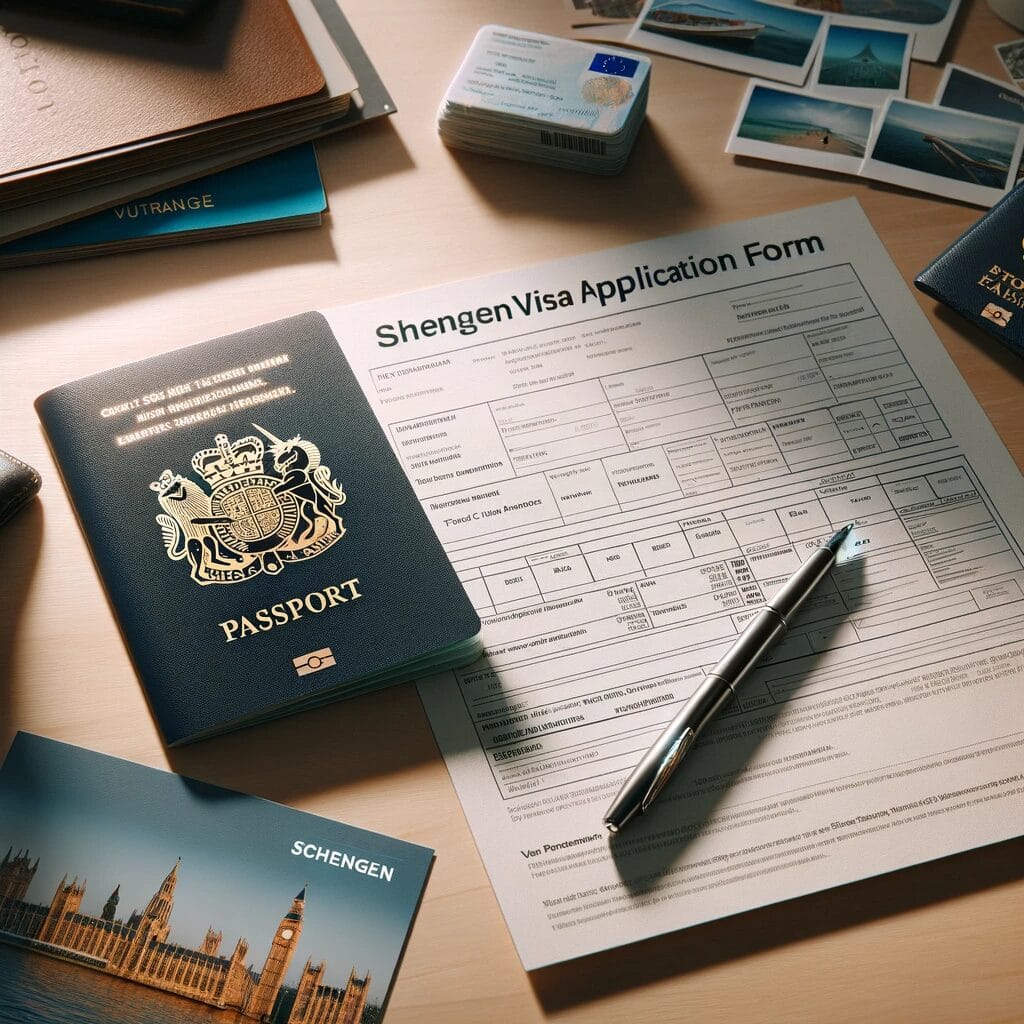
To apply for a Schengen visa, there are certain documents that you need to provide. These include a valid passport with at least two empty pages, a completed visa application form, a travel itinerary and proof of accommodation, a travel insurance policy that covers medical and emergency expenses, and evidence that you have enough funds to cover your expenses during your stay in Schengen countries.
These documents are necessary to ensure that you are granted a hassle-free visa and can fully enjoy your time exploring everything these countries have to offer.
Schengen visa application process
If you're planning on visiting any of the Schengen countries, you must go through a Schengen visa application process.
This process involves submitting a completed application form with the required supporting documents, including a valid passport, proof of financial means, travel insurance, and a round-trip flight itinerary.
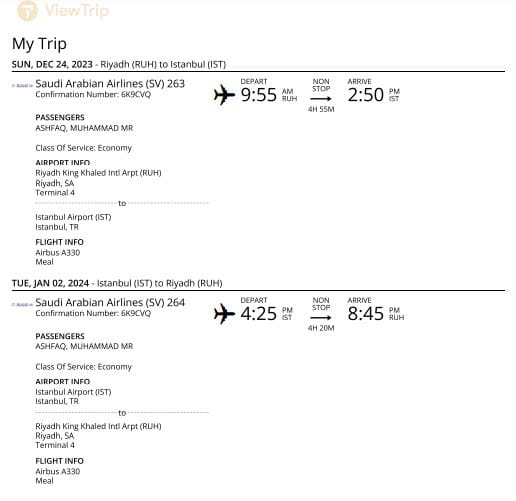
Flight Itinerary Sample
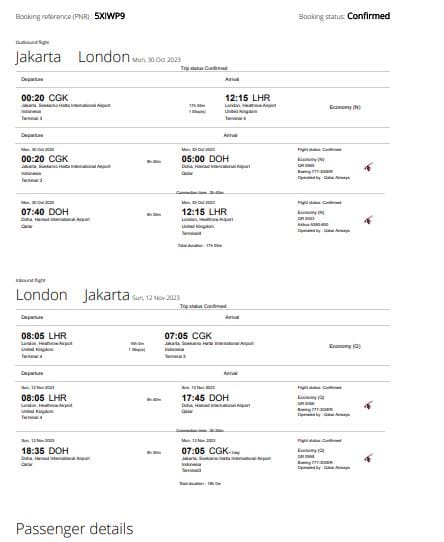
Additionally, you'll need to pay a non-refundable visa fee and attend a visa interview at the embassy or consulate of the Schengen country you plan to visit.
When applying for a Schengen visa, there are several important things to keep in mind. First and foremost, ensure that you have all the necessary documents, including a valid passport, travel insurance, flight reservation, and proof of accommodation. It is also crucial to provide accurate and truthful information in your application and avoid any errors or inconsistencies.
Additionally, demonstrating strong ties to your home country, such as a stable job, property ownership, or family connections, can increase your chances of being granted a visa.
Lastly, be sure to apply well in advance of your planned travel dates to allow sufficient time for processing and avoid any last-minute stress or disappointment.
Comment fonctionne le visa Schengen ?
A Schengen visa is a valuable document that allows visitors to explore any of the 27 countries that are part of the Schengen Area without any additional visas or border controls. With just one visa, visitors can travel freely within the countries in the Schengen Area for up to 90 days within a 180-day period. .
It is essential to note that travelers must apply for the visa at the embassy or consulate of the country they plan to enter first or the country they will be staying the longest.
A Schengen visa holder can, however, move seamlessly throughout the Schengen countries, making it a highly convenient option for exploring Europe without any hassle.
Qui a besoin d'un visa Schengen ?
The Schengen Area offers 90 days of visa-free travel to individuals who want to explore its 27 countries for tourism, business, or transit purposes.
However, citizens from countries that are not part of the European Union or European Free Trade Association and those who are not beneficiaries of a visa waiver agreement must apply for a Schengen visa.
This is especially important for those who plan to visit multiple countries in the Schengen Area during their trip, ensuring they have a hassle-free travel experience.
Why travel to Schengen countries?
Visiting Schengen countries provides you with a unique mix of cultures and landscapes to explore. From the beautiful beaches to the historic cities and picturesque villages, Schengen offers a wide range of destinations.
One of the best things about traveling within Schengen is that it's easy due to the lack of internal borders, making it very convenient to move from one country to another. Moreover, the region also boasts a rich history, art, and architecture that offer a glimpse into Europe's fascinating past. Whether you're a history buff or a nature lover, Schengen has something to offer for everyone.
Hassle-free travel within Schengen countries
The Schengen Agreement has made traveling within the Schengen countries much simpler and hassle-free. This is because the countries within the Schengen area have abolished passport and other types of border control at their mutual borders, which means that visitors only need to go through a single border control check when entering or leaving the Schengen area.
Travelers with a valid Schengen visa can move between the member countries without any additional documentation or formalities, making it a highly convenient option for those who want to explore Europe without any hassle.
Less time-consuming border checks
Waiting in long lines at border checkpoints can be a major inconvenience for travelers exploring Schengen countries. However, implementing digital border control measures can help alleviate this issue. Automated passport control systems enable fast and efficient verification of passengers' identities, while biometric scanning technology can further expedite border checks.
Additionally, streamlining immigration policies and investing in better infrastructure can help reduce wait times at border checkpoints, improving the overall travel experience for visitors to the Schengen Area.
Ease of planning travel itinerary
Traveling to Schengen countries can be an exciting adventure, but it can also be overwhelming to plan all the details of the trip. However, using online travel planning tools can simplify the process of creating a detailed itinerary for a trip. Researching and pre-booking activities, accommodations, and transportation in advance can save time and reduce stress during a trip.
Additionally, it's important to allow for flexibility in the schedule and downtime to make for a more enjoyable travel experience. Consulting with locals or a travel agent can also provide insider tips and recommendations for activities and attractions off the beaten path, making the trip even more special and memorable.
Rich cultural experiences
Traveling to different countries offers a window into unique traditions and customs that vary from one culture to another. Participating in cultural events and festivals provides an opportunity to appreciate diverse aspects of a culture such as art, music, and culinary traditions.
Engaging with the locals and experiencing their way of life is an eye-opening experience that enhances an individual's understanding of cultural diversity.
Furthermore, taking the time to learn a new language not only provides an avenue for effective communication but also provides a deeper understanding of a culture's beliefs and values.
Top destinations to visit in Schengen countries
The Schengen countries are a gateway to exploring Europe hassle-free, and with so many incredible destinations to choose from, it can be hard to decide where to go first. France is a popular choice, offering a mix of iconic landmarks like the Eiffel Tower and Notre-Dame, as well as a vibrant culture filled with wine, cheese, and fashion. Italy is another dream destination, with its incredible art, food, and history.
Visitors can take a gondola ride in Venice or visit Vatican City, offering unparalleled experiences. Spain beckons to tourists with its picturesque plazas, colorful architecture, and stunning beaches along the Mediterranean coast. And for those fascinated by history and traditional Christmas markets, Germany has much to offer visitors with its modern cities and fascinating past.
Paris, France
Paris, the capital and largest city of France, is a destination that should definitely be on your bucket list. With a population of 2.2 million people, the city is renowned for its romantic ambiance, exquisite cuisine, and elegant fashion.

Visitors come from far and wide to marvel at Paris's iconic landmarks, such as the Eiffel Tower, Louvre Museum, and Notre-Dame Cathedral. As a global center for art, fashion, and culture, Paris attracts millions of visitors every year, making it one of the most visited cities in the world.
Barcelone, Espagne
Barcelone, la capitale de la région de Catalogne en Espagne, est la deuxième plus grande ville du pays et une destination touristique populaire. La ville est réputée pour son architecture unique, notamment les œuvres d'Antoni Gaudí comme la bouleversante Sagrada Família et le magnifique Park Güell.

Les visiteurs peuvent également profiter des plages magnifique, notamment la célèbre plage de la Barceloneta, qui attire d'innombrables touristes chaque année. Barcelone est non seulement un foyer d'art, de mode et de cuisine raffinée, mais offre également une vie nocturne animée avec une abundance de festivals et d'événements culturels toute l'année.
Rome, Italie
Rome, la capitale de l'Italie, offre un mélange parfait d'histoire riche, d'architecture magnifique et de cuisine délicieusement variée. La ville est célèbre pour ses monuments tels que le Colisée, le Panthéon et la fontaine de Trévise, qui attirent des millions de touristes chaque année. De plus, la culture riche de Rome se manifeste également dans sa passion pour la mode, car elle abrite certaines des plus grandes marques de luxe au monde.

La Cité du Vatican, située dans Rome, est également une destination à visiter absolument, car elle offre aux visiteurs l'occasion de découvrir des sites religieux et des œuvres d'art renommés. Avec autant de choses à explorer à Rome, il n'est pas surprenant que la ville reste une destination privilégiée pour les touristes du monde entier.
Amsterdam, Pays-Bas
Amsterdam, la capitale des Pays-Bas, est une destination qui offre un mélange d'histoire, de culture et de divertissement. La ville est célèbre pour ses beaux canaux et son architecture charmante, ce qui en fait l'une des villes les plus pittoresques d'Europe.
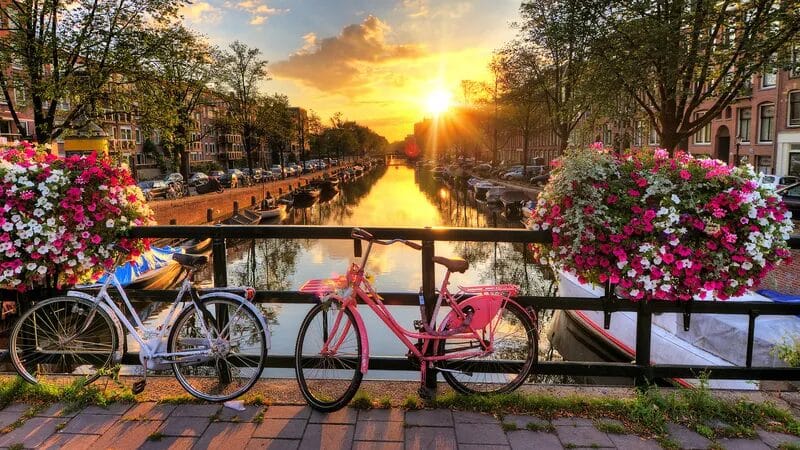
Amsterdam abrite également certains musées internationaux renommés, comme le Musée Van Gogh et le Rijksmuseum, qui attirent d'innombrables touristes chaque année. En dehors des musées, la ville est également célèbre pour ses coffee shops, son quartier rouge et ses beaux parcs comme le Vondelpark, offrant des opportunités de détente et de divertissement.
Vienne, Autriche
Vienne, la capitale et la plus grande ville d'Autriche, est une destination qui offre un mélange parfait d'histoire, de culture et de divertissement à ses visiteurs. La ville est reconnue pour son architecture magnifique, sa culture riche et sa cuisine délicieuse.

Elle abrite plusieurs musées, dont le célèbre Musée d'Histoire de l'Art, qui présente un large éventail d'œuvres d'art de différents artistes. Vienne est également célèbre pour sa musique, des compositeurs renommés comme Mozart, Beethoven et Schubert ayant passé des parties de leur carrière dans la ville. Que ce soit pour assister à des concerts de musique classique ou explorer les belles rues, Vienne est une destination incontournable pour quiconque souhaite s'immerger dans la culture autrichienne riche.
Conclusion
En conclusion, les pays Schengen, avec leur facilité de voyage, leurs expériences culturelles et leurs destinations stunning, offrent une excellente porte d'entrée pour explorer l'Europe. De l'ambiance romantique de Paris aux monuments emblématiques de Rome, les visiteurs peuvent découvrir un mélange parfait d'histoire, de culture et de divertissement.
Avec les bons documents et une demande de visa Schengen réussie, explorer les pays Schengen est assez simple. Ne manquez pas l'occasion d'explorer les meilleures destinations des pays Schengen et de créer des souvenirs inoubliables. Planifiez votre voyage aujourd'hui et commencez à faire vos valises pour découvrir tout ce que les pays Schengen ont à offrir.
Need a verified reservation today?
Get a flight itinerary or hotel booking with a real PNR you can look up on the carrier’s own site — delivered to your inbox.
Travel Documentation Expert at ReservationPoints
Helping travelers navigate flight & hotel reservations, visa documentation, and embassy requirements worldwide.