Key Takeaways
- What are Schengen countries?
- How does the Schengen visa work?
- Top destinations to visit in Schengen countries
In This Article
Índice
Introducción
Si planeas explorar Europa, los países Schengen deben estar en la parte superior de tu lista. Los países Schengen son un grupo de 27 países que han abolido el pasaporte y otros tipos de control fronterizo en sus fronteras mutuas.
Esto significa que una vez que entres en un país Schengen, puedes viajar libremente dentro de la zona Schengen sin tener que pasar controles de inmigración en las fronteras.
Esto no solo hace que tus viajes sean sin complicaciones, sino que también te permite explorar múltiples países sin papeleo adicional o períodos de espera. En esta publicación de blog, exploraremos por qué los países Schengen son tu puerta de entrada para explorar Europa sin complicaciones.
¿Qué son los países Schengen?
El Acuerdo de Schengen ha hecho que viajar entre países Schengen sea notablemente conveniente. Actualmente hay 27 países miembros del Acuerdo, incluidos Austria, Bélgica, República Checa, Dinamarca, Estonia, Finlandia, Francia, Alemania, Grecia, Hungría, Islandia, Italia, Letonia, Liechtenstein, Lituania, Luxemburgo, Malta, Países Bajos, Noruega, Polonia, Portugal, Eslovaquia, Eslovenia, España, Suecia y Suiza.
Con la política de visados común, los viajeros solo necesitan un visado para visitar múltiples países Schengen. Además, países no comunitarios como Islandia, Noruega, Suiza y Liechtenstein también son parte del Acuerdo de Schengen, lo que simplifica aún más los viajes dentro de Europa.
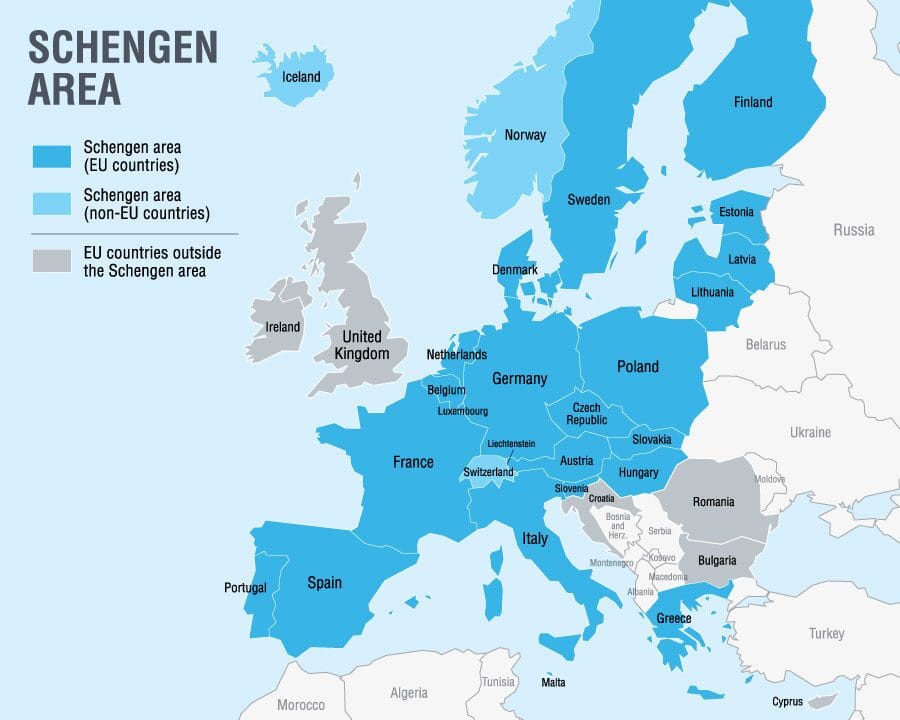
El Acuerdo de Schengen
El Acuerdo de Schengen es sin duda uno de los tratados más influyentes en la historia europea moderna. Se firmó en 1985 en Schengen, Luxemburgo, y tenía como objetivo eliminar los controles fronterizos entre los países participantes y permitir que personas y mercancías se muevan libremente dentro de la región.
Actualmente, hay 27 países que son parte del área Schengen, que incluye la mayor parte de la UE. Gracias a este Acuerdo, los viajes y el comercio entre estas naciones se han vuelto mucho más cómodos y sin complicaciones. Y no es sorpresa que el Acuerdo de Schengen haya tenido un impacto significativo en el turismo y el comercio dentro de Europa.
Lista de países Schengen
El Acuerdo de Schengen firmado por 27 países ha creado un área unificada que permite a los viajeros moverse sin ser detenidos en las fronteras. Los países Schengen han abolido el control de pasaportes y otros tipos de control fronterizo en sus fronteras mutuas, lo que hace que viajar entre estos países sea mucho más conveniente.
Estos países comparten políticas de visados comunes, lo que significa que los viajeros solo necesitan un visado para visitar múltiples países Schengen. El Área Schengen permite la libre circulación de personas, bienes y servicios entre los Estados miembros, permitiendo un vibrante intercambio de culturas y comercio. Esto ha impactado no solo al turismo, sino también al comercio dentro de Europa.
Aquí está la lista de países Schengen
| Austria | Bélgica | Croacia | República Checa |
| Dinamarca | Estonia | Finlandia | Francia |
| Alemania | Grecia | Hungría | Islandia |
| Italia | Letonia | Liechtenstein | Lituania |
| Luxemburgo | Malta | Países Bajos | Noruega |
| Polonia | Portugal | Eslovaquia | Eslovenia |
| España | Suecia | Suiza |
Tipos de visados Schengen
Si está planeando viajar a los países Schengen, es importante familiarizarse con los diferentes tipos de visados disponibles.
Existen tres tipos de visados Schengen:
- Visados Schengen Uniformes (USV)
- Visados de Validez Territorial Limitada (LTV)
- Visados Nacionales.
Visados Schengen Uniformes (USV) permiten a los viajeros moverse libremente dentro de la zona Schengen por un máximo de 90 días, dentro de un período de seis meses. Por otro lado, Visados de Validez Territorial Limitada (LTV) ofrecen solo acceso limitado a ciertos países Schengen y no son válidos para viajar a todos los países miembros.
Visados Nacionales, también conocidos como visados tipo D, permiten al titular residir en un país Schengen específico durante un período más prolongado para trabajar, estudiar o reunificarse con su familia. Por lo tanto, antes de planificar su viaje, asegúrese de elegir el tipo de visado que mejor se adapte a sus necesidades y propósitos.
Visado Schengen de corta duración
Si está planeando un viaje a Europa por negocios o placer, un visado Schengen de corta duración es imprescindible. Este visado le permite moverse libremente dentro de los 27 países del área Schengen hasta por 90 días.
Solicitar un visado Schengen de corta duración es un proceso sencillo que implica completar un formulario de solicitud en línea, proporcionar datos biométricos y presentar documentos de respaldo como seguro de viaje, itinerarios de vuelo, reservas de hotel y prueba de solvencia económica.
Puede obtener fácilmente documentos importantes como itinerarios de vuelo y reservas de hotel a través de un agente local o plataforma en línea como Reservation Points, which offers 24/7 chat support to assist you with any issues.
The fee for adults to apply is €80, while minors are required to pay a fee of €40. Keep in mind that while the Schengen short-stay visa allows you to visit multiple countries, you must apply for the visa at the embassy or consulate of the country where you will be spending most of your time or your first point of entry. Processing time can vary, so it's best to apply well in advance of your travel dates.
Schengen long-stay visa
If you are looking to extend your stay beyond 90 days in the Schengen countries, a Schengen long-stay visa might be the solution for you. As a non-EU citizen, this type of visa allows you to stay in the Schengen area for an extended period for work, study, or family reunion.
However, the application process is quite complex and requires extensive documentation, including proof of sufficient funds and medical insurance. So, it is crucial to apply well in advance as the processing time can take several months.
Additionally, be aware that even with this visa, there may still be restrictions and requirements that you will have to follow, such as registering with local authorities upon arrival.
Schengen airport transit visa
If you're a citizen of a country that doesn't have a visa exemption agreement with the Schengen area, and you need to travel through one of the airports in a Schengen country, you may need to apply for a Schengen Airport Transit Visa.
This type of visa allows you to transit through the airport without entering the Schengen area. The visa is usually valid for a maximum stay of either 24 or 48 hours, depending on the country's rules.
To apply, you'll need to submit the necessary documents, pay a fee, and attend a visa appointment at the relevant embassy or consulate.
How to apply for a Schengen visa?
To obtain a Schengen visa, there are several steps you need to follow. First, carefully fill out the Schengen visa application form with your personal information and travel details. It is essential to book your flight tickets and accommodation in advance as you need to provide these details in the application form.
Next, pay the visa fee and submit all required documents such as your passport, travel insurance, and bank statement to the embassy or consulate.
After submitting your documents, schedule an appointment for an interview with the embassy or consulate to discuss your travel plans and provide biometric information. Remember to be thorough and organized throughout the process to ensure the best chances of obtaining your Schengen visa hassle-free.
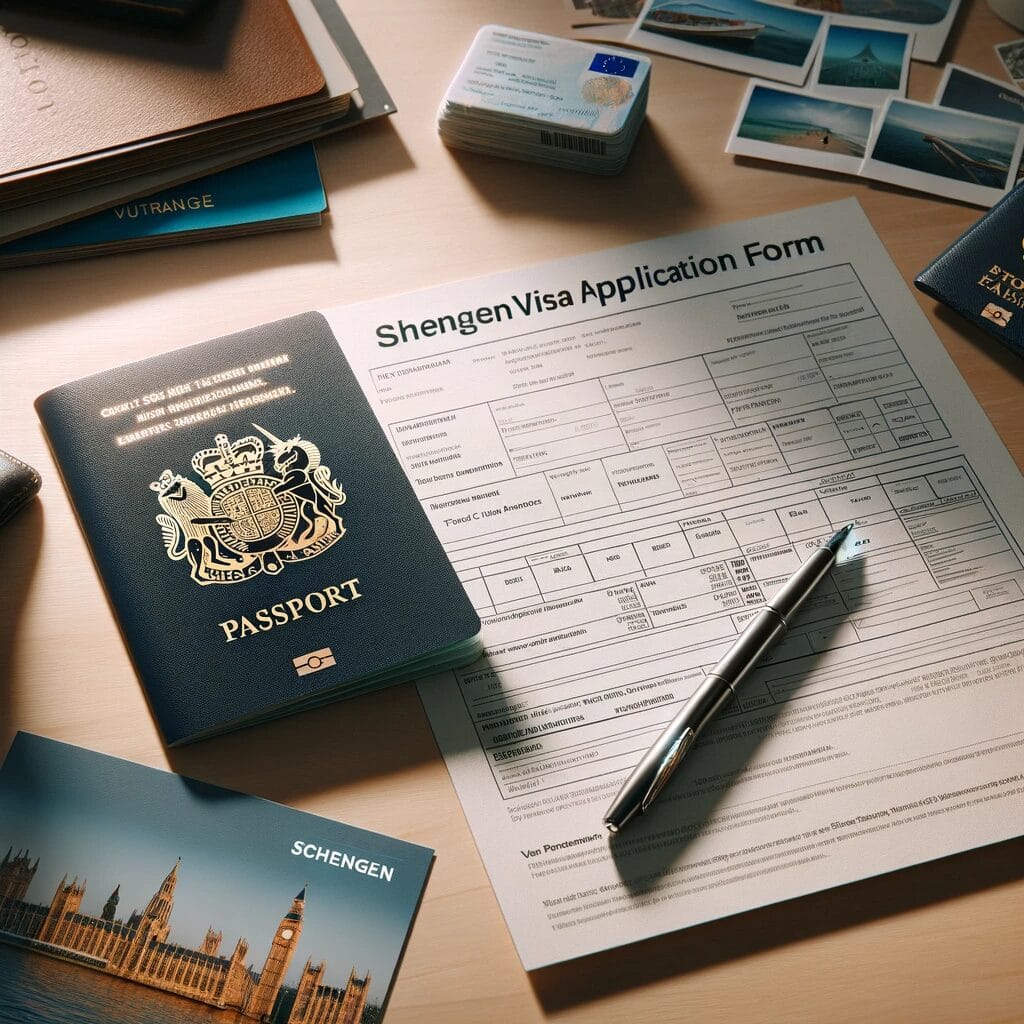
To apply for a Schengen visa, there are certain documents that you need to provide. These include a valid passport with at least two empty pages, a completed visa application form, a travel itinerary and proof of accommodation, a travel insurance policy that covers medical and emergency expenses, and evidence that you have enough funds to cover your expenses during your stay in Schengen countries.
These documents are necessary to ensure that you are granted a hassle-free visa and can fully enjoy your time exploring everything these countries have to offer.
Schengen visa application process
If you're planning on visiting any of the Schengen countries, you must go through a Schengen visa application process.
This process involves submitting a completed application form with the required supporting documents, including a valid passport, proof of financial means, travel insurance, and a round-trip flight itinerary.
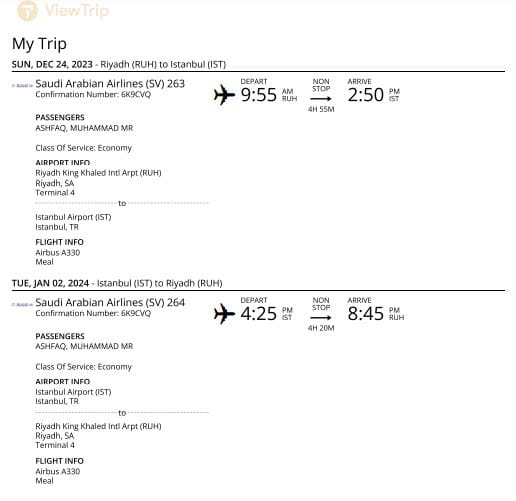
Flight Itinerary Sample
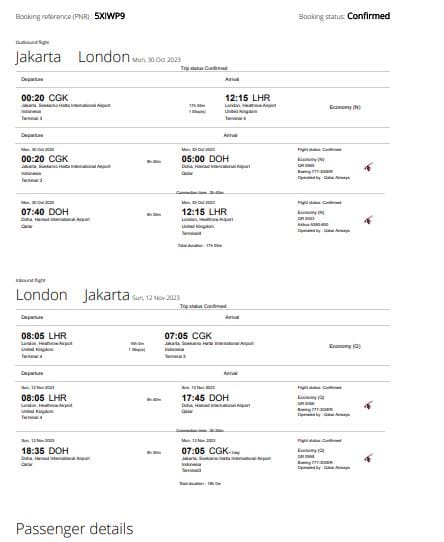
Additionally, you'll need to pay a non-refundable visa fee and attend a visa interview at the embassy or consulate of the Schengen country you plan to visit.
When applying for a Schengen visa, there are several important things to keep in mind. First and foremost, ensure that you have all the necessary documents, including a valid passport, travel insurance, flight reservation, and proof of accommodation. It is also crucial to provide accurate and truthful information in your application and avoid any errors or inconsistencies.
Additionally, demonstrating strong ties to your home country, such as a stable job, property ownership, or family connections, can increase your chances of being granted a visa.
Lastly, be sure to apply well in advance of your planned travel dates to allow sufficient time for processing and avoid any last-minute stress or disappointment.
¿Cómo funciona el visado Schengen?
A Schengen visa is a valuable document that allows visitors to explore any of the 27 countries that are part of the Schengen Area without any additional visas or border controls. With just one visa, visitors can travel freely within the countries in the Schengen Area for up to 90 days within a 180-day period. .
It is essential to note that travelers must apply for the visa at the embassy or consulate of the country they plan to enter first or the country they will be staying the longest.
A Schengen visa holder can, however, move seamlessly throughout the Schengen countries, making it a highly convenient option for exploring Europe without any hassle.
¿Quién necesita un visado Schengen?
The Schengen Area offers 90 days of visa-free travel to individuals who want to explore its 27 countries for tourism, business, or transit purposes.
However, citizens from countries that are not part of the European Union or European Free Trade Association and those who are not beneficiaries of a visa waiver agreement must apply for a Schengen visa.
This is especially important for those who plan to visit multiple countries in the Schengen Area during their trip, ensuring they have a hassle-free travel experience.
Why travel to Schengen countries?
Visiting Schengen countries provides you with a unique mix of cultures and landscapes to explore. From the beautiful beaches to the historic cities and picturesque villages, Schengen offers a wide range of destinations.
One of the best things about traveling within Schengen is that it's easy due to the lack of internal borders, making it very convenient to move from one country to another. Moreover, the region also boasts a rich history, art, and architecture that offer a glimpse into Europe's fascinating past. Whether you're a history buff or a nature lover, Schengen has something to offer for everyone.
Hassle-free travel within Schengen countries
The Schengen Agreement has made traveling within the Schengen countries much simpler and hassle-free. This is because the countries within the Schengen area have abolished passport and other types of border control at their mutual borders, which means that visitors only need to go through a single border control check when entering or leaving the Schengen area.
Travelers with a valid Schengen visa can move between the member countries without any additional documentation or formalities, making it a highly convenient option for those who want to explore Europe without any hassle.
Less time-consuming border checks
Waiting in long lines at border checkpoints can be a major inconvenience for travelers exploring Schengen countries. However, implementing digital border control measures can help alleviate this issue. Automated passport control systems enable fast and efficient verification of passengers' identities, while biometric scanning technology can further expedite border checks.
Additionally, streamlining immigration policies and investing in better infrastructure can help reduce wait times at border checkpoints, improving the overall travel experience for visitors to the Schengen Area.
Ease of planning travel itinerary
Viajar a los países del Schengen puede ser una aventura emocionante, pero también puede ser abrumador planificar todos los detalles del viaje. Sin embargo, usar herramientas de planificación de viajes en línea puede simplificar el proceso de crear un itinerario detallado para un viaje. Investigar y reservar actividades, alojamiento y transporte con anticipación puede ahorrar tiempo y reducir el estrés durante un viaje.
Además, es importante permitir flexibilidad en el itinerario y tiempo libre para hacer que la experiencia de viaje sea más placentera. Consultar con lugareños o un agente de viajes también puede proporcionar consejos de expertos y recomendaciones para actividades y atracciones fuera de los caminos trillados, haciendo que el viaje sea aún más especial e inolvidable.
Experiencias culturales enriquecedoras
Viajar a diferentes países ofrece una ventana a tradiciones y costumbres únicas que varían de una cultura a otra. Participar en eventos culturales y festivales proporciona la oportunidad de apreciar diversos aspectos de una cultura como el arte, la música y las tradiciones culinarias.
Interactuar con los lugareños y experimentar su forma de vida es una experiencia reveladora que mejora la comprensión de un individuo sobre la diversidad cultural.
Además, tomarse el tiempo para aprender un nuevo idioma no solo proporciona un medio para una comunicación efectiva, sino que también proporciona una comprensión más profunda de las creencias y valores de una cultura.
Principales destinos para visitar en los países del Schengen
Los países del Schengen son una puerta de entrada para explorar Europa sin complicaciones, y con tantos destinos increíbles para elegir, puede ser difícil decidir dónde ir primero. Francia es una opción popular, que ofrece una mezcla de monumentos emblemáticos como la Torre Eiffel y Notre-Dame, así como una cultura vibrante llena de vino, queso y moda. Italia es otro destino soñado, con su increíble arte, comida e historia.
Los visitantes pueden pasearse en góndola en Venecia o visitar la Ciudad del Vaticano, ofreciendo experiencias incomparables. España atrae a los turistas con sus pintorescas plazas, arquitectura colorida y impresionantes playas a lo largo de la costa mediterránea. Y para aquellos fascinados por la historia y los mercados tradicionales navideños, Alemania tiene mucho que ofrecer a los visitantes con sus ciudades modernas y fascinante pasado.
París, Francia
París, la capital y ciudad más grande de Francia, es un destino que definitivamente debería estar en tu lista de deseos. Con una población de 2,2 millones de personas, la ciudad es reconocida por su ambiente romántico, gastronomía exquisita y elegancia en la moda.

Los visitantes llegan de todas partes para maravillarse con los monumentos emblemáticos de París, como la Torre Eiffel, el Museo del Louvre y la Catedral de Notre-Dame. Como centro global de arte, moda y cultura, París atrae a millones de visitantes cada año, lo que la convierte en una de las ciudades más visitadas del mundo.
Barcelona, Spain
Barcelona, la capital de la región de Cataluña en España, es la segunda ciudad más grande del país y un popular destino turístico. La ciudad es famosa por su arquitectura única, especialmente las obras de Antoni Gaudí como la fascinante Sagrada Familia y el hermoso Park Güell.

Los visitantes también pueden disfrutar de las impresionantes playas, incluida la famosa playa de la Barceloneta, que atrae a countless turistas cada año. Barcelona no solo es un centro de arte, moda y exquisita cocina, sino que también presume de una vida nocturna vibrante con una abundancia de festivales y eventos culturales durante todo el año.
Roma, Italia
Roma, la capital de Italia, ofrece una perfecta combinación de historia rica, arquitectura impresionante y deliciosa cocina. La ciudad es famosa por sus monumentos como el Coliseo, el Panteón y la Fontana di Trevi, que atraen a millones de turistas cada año. Además, la rica cultura de Roma también se evidencia en su pasión por la moda, ya que es hogar de algunas de las principales marcas de lujo del mundo.
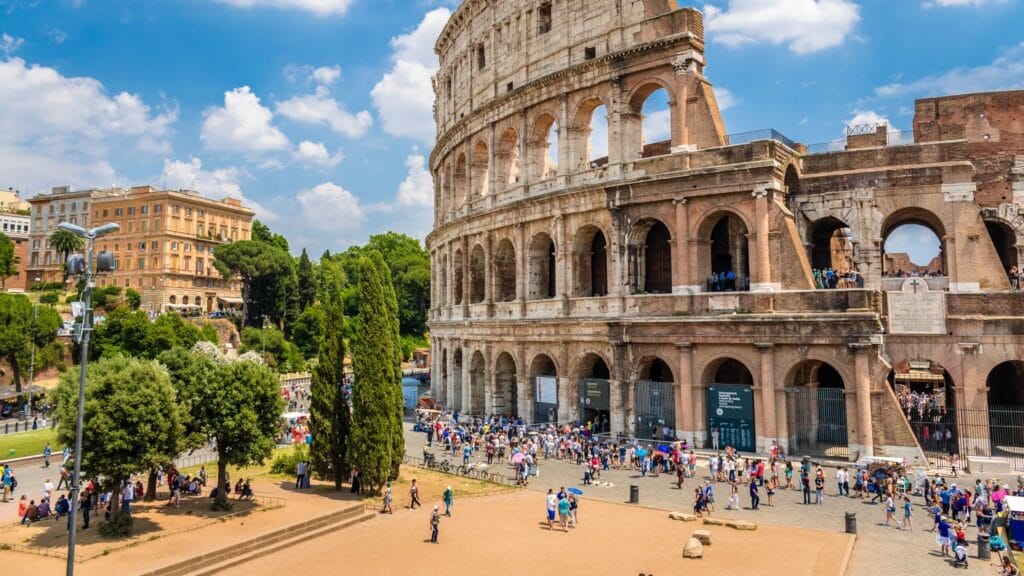
La Ciudad del Vaticano, ubicada dentro de Roma, también es un destino imperdible, ya que ofrece a los visitantes la oportunidad de witnessing lugares religiosos famosos y obras de arte. Con tanto que explorar en Roma, no es deextrañar que la ciudad siga siendo un destino favorito para turistas de todo el mundo.
Ámsterdam, Países Bajos
Ámsterdam, la capital de los Países Bajos, es un destino que ofrece una combinación de historia, cultura y entretenimiento. La ciudad es famosa por sus hermosos canales y su encantadora arquitectura, lo que la convierte en una de las ciudades más pintorescas de Europa.
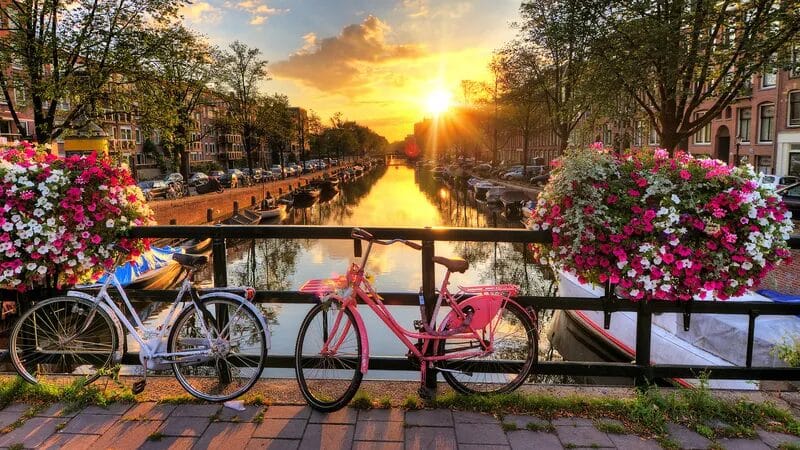
Ámsterdam también es hogar de algunos museos de renombre mundial, como el Museo Van Gogh y el Rijksmuseum, que atraen a countless turistas cada año. Además de los museos, la ciudad también es famosa por sus coffee shops, el barrio rojo y hermosos parques como el Vondelpark, proporcionando oportunidades para relajarse y entretenerse.
Viena, Austria
Viena, la capital y ciudad más grande de Austria, es un destino que ofrece una perfecta combinación de historia, cultura y entretenimiento para sus visitantes. La ciudad es famosa por su magnificent arquitectura, rica cultura y deliciosa cocina.

Es hogar de varios museos, incluido el famoso Museo de Historia del Arte, que exhibe una amplia gama de obras de diferentes artistas. Viena también es famosa por su música, ya que compositores famosos como Mozart, Beethoven y Schubert pasaron partes de sus carreras allí. Desde asistir a conciertos de música clásica hasta explorar las hermosas calles, Viena es un destino imperdible para cualquiera que busque sumergirse en la rica cultura austríaca.
Conclusión
En conclusión, los países Schengen, con su facilidad de viaje, experiencias culturales y destinos impresionantes, proporcionan una excelente puerta de entrada para explorar Europa. Desde el ambiente romántico de París hasta los monumentos icónicos de Roma, los visitantes pueden experimentar una perfecta combinación de historia, cultura y entretenimiento.
Con los documentos adecuados y una solicitud exitosa de visa Schengen, explorar los países Schengen es bastante sin complicaciones. No pierda la oportunidad de explorar los principales destinos en los países Schengen y crear recuerdos inolvidables. Planifique su viaje hoy y comience a hacer las maletas para explorar todo lo que los países Schengen tienen para ofrecer.
Need a verified reservation today?
Get a flight itinerary or hotel booking with a real PNR you can look up on the carrier’s own site — delivered to your inbox.
Travel Documentation Expert at ReservationPoints
Helping travelers navigate flight & hotel reservations, visa documentation, and embassy requirements worldwide.