
Key Takeaways
- Japan grants visa-exempt short-term entry (typically up to 90 days; 15 to 30 days for select bilateral partners) to ordinary passport holders from 71 countries and regions including the UK, US, Canada, Australia, and EU Member States.
- Even when travelling visa-free, airlines and Japanese immigration officers check for a valid passport, proof of onward or exit travel, and accommodation details (including Visit Japan Web registration).
- Travellers whose nationality is not on the 71-country MOFA visa-exemption list must apply for a Japan Tourist Visa or eVisa supported by a daily Schedule of Stay (Koteihyo), flight itinerary, and hotel confirmations.
- Obtain verifiable supporting documents in GBP without pre-buying non-refundable airfare: Onward Ticket from £11, Flight Itinerary from £5, Hotel Reservation from £5, Day-by-Day Travel Plan from £15, or the Custom Visa Bundle from £22.50 (Starter Bundle from £9).
- Choose checkout delivery speeds matched to your departure or embassy filing date: Standard within 14 hours, Urgent up to 8 hours, or Super Fast in 1–2 hours.
In This Article
- 1What You Would Like to Know
- 2Why Is Japan Doing This?
- 3Top-Reiseziele in Japan
- 4Tokio
- 5Kyoto
- 6Osaka
- 7Hokkaido
- 8Okinawa
- 9Tipps zur Buchung Ihrer Traumreise
- 10Can I extend my visa-free stay once I’m in Japan?
- 11Are COVID-19 entry requirements still in effect for Japan in 2025?
- 12Do children need a visa to enter Japan if their parents are visa-exempt?
- 13Is visa-free entry allowed for multiple entries within a year?
- 14Benötige ich ein Visum, wenn ich durch Japan reise?
- 15Wo finde ich die offizielle Liste der Länder, die vom Visumzwang für Japan ausgenommen sind?
- 16Externe Referenzlinks (unabhängig — keinerlei Verbindung zu staatlichen Stellen oder Fluggesellschaften)
Planning a Trip to Japan in 2025? 71 Countries Now Enjoy Visa-Free Travel
In a major step towards boosting international tourism, Japan has officially declared visa-free entry for citizens of 71 countries and regions. This new policy has sparked excitement among travellers worldwide who have long dreamed of experiencing Japan’s stunning scenery, deep cultural heritage, and futuristic cities. It’s a bold and welcoming move that eliminates one of the key hurdles many international tourists face: the visa application process.
Japan has always held a special place in the hearts of global travellers, and this decision firmly places the country back on the world’s top travel lists. From its historic temples and shrines to neon-drenched cityscapes and tranquil countryside, Japan offers something for everyone. With the world slowly adjusting to a post-pandemic era, this move reflects a renewed commitment by Japan to open its borders, share its traditions, and welcome visitors like never before.
This announcement is not just about logistics, it symbolises Japan’s intent to reconnect with the world and invite a new wave of curious, respectful, and enthusiastic visitors. Whether you’re planning a honeymoon, backpacking trip, culinary exploration, or cultural journey, Japan’s visa-free policy removes red tape and gives you more time to focus on the experiences that await.
What You Would Like to Know
After years of strict border policies due to COVID-19, Japan is now opening its doors wide with a more traveller-friendly approach. Visitors from approved countries can now enter Japan without a visa for short-term stays, usually up to 90 days. This simplifies trip planning dramatically, especially for those looking to make last-minute decisions or take advantage of seasonal events.
Eligible travellers no longer need to visit consulates, prepare paperwork, or wait weeks for visa approvals. This fast-tracks everything from flight bookings to hotel reservations and allows more flexibility for spontaneous or extended travel throughout the country. From digital nomads and solo travellers to families and retirees, this change benefits a wide spectrum of visitors.
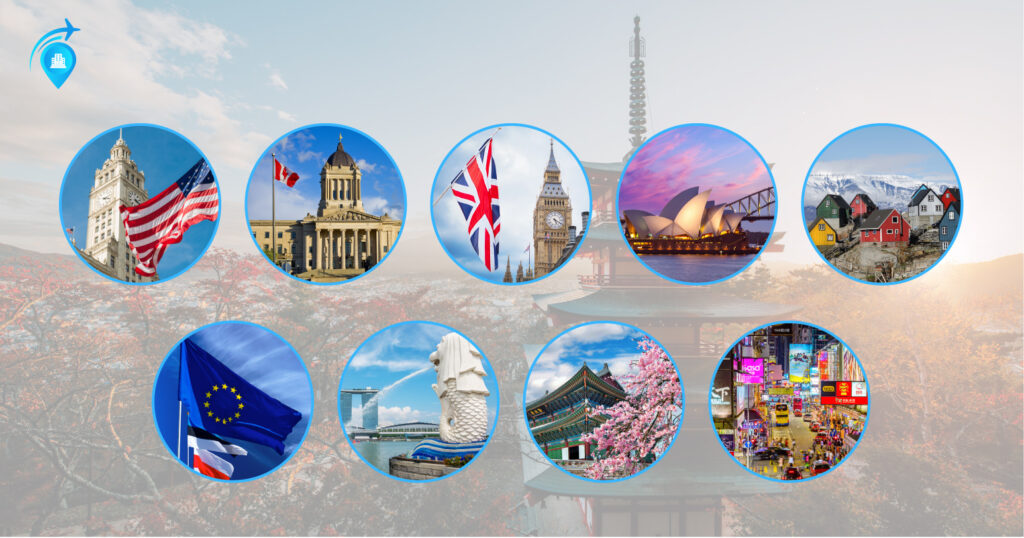
The visa exemption applies to major countries such as:
- United States
- Canada
- United Kingdom
- Australia
- New Zealand
- All European Union member states
- Singapore
- South Korea
- Hong Kong, and many others.
Each eligible country may have slight variations regarding length of stay or entry conditions, so it’s essential to refer to Japan’s Ministry of Foreign Affairs for the most accurate and current information. Also, some nationalities may need to provide evidence of onward travel, so planning ahead remains important.
This shift toward a more accessible Japan is expected to trigger a wave of international interest. Airlines, hotels, and tour providers are already adjusting their offerings, anticipating increased demand. As a traveller, this means more options, better deals, and greater ease in designing the kind of trip you’ve always wanted.
Why Is Japan Doing This?
Japan’s decision to expand visa-free access is a carefully planned strategy aimed at revitalising a tourism industry that suffered dramatically during the pandemic. With its borders shut to international travellers for long stretches of time, many regions dependent on tourism, especially rural areas and small businesses, experienced economic hardship. The government has now made tourism a central pillar in its economic recovery plans.
By making travel easier and more appealing, Japan hopes to:
- Rebuild its global tourism profile
- Encourage sustainable and regional tourism
- Support upcoming global events like the Osaka Expo 2025
- Strengthen ties with neighbouring and Western countries
- Enhance cultural exchange and understanding
This is part of a broader national vision: to welcome 60 million tourists per year by 2030. To put that into perspective, Japan welcomed a record-breaking 31.9 million visitors in 2019. Doubling that number will require not just better accessibility, but enhanced infrastructure, visitor support, and international marketing. Visa-free travel is the gateway through which this ambitious goal becomes attainable.
The Japanese government and tourism bodies are also investing in rural revitalisation campaigns, encouraging tourists to explore lesser-known regions. From the peaceful Noto Peninsula to historic Takayama, Japan’s regional destinations are set to benefit significantly from the influx of visitors who no longer face administrative travel barriers.
What Travellers Ought To Be Beyond Any Doubt
Despite the excitement around visa-free access, visitors must still be responsible and prepared. Japan is known for its hospitality, but also for its structure, rules, and expectations. Following a few guidelines on how to apply for visa will ensure a smooth and respectful experience.
- Passport Validity: Your passport must be valid for the entire duration of your stay. Many travellers are turned away at check-in counters or immigration desks simply because of a short validity window. Aim for at least six months of validity on your passport before booking your trip.
- Proof of Return or Onward Travel: Japanese immigration officers may request proof of your return flight or onward travel plan. This demonstrates that you intend to leave within the permitted 90-day period and do not plan to work or overstay.
- Financial Proof: You might be asked to show proof that you can financially support yourself during your stay. A printed bank statement or credit card proof can be helpful.
- Gesundheit und COVID-19-Hinweise: Obwohl die meisten COVID-19-Beschränkungen aufgehoben wurden, können sich die Richtlinien ändern. Bleiben Sie über offizielle Kanäle auf dem Laufenden. Reisende sollten in Betracht ziehen, einen Nachweis über Impfungen oder kürzlich durchgeführte Tests mitzuführen, falls dies nötig sein sollte.
- Bleiben Sie innerhalb der gesetzlichen Grenzen: Die meisten Aufenthalte ohne Visum erlauben keine Arbeit oder ein Studium. Eine Einreise nach Japan mit einem Touristenvisum und die Ausübung nicht genehmigter Arbeit können ernste Folgen haben, einschließlich Abschiebung und zukünftigen Reiseverboten.
Die Einhaltung dieser Regeln ist Teil der Verantwortung als verantwortungsbewusster globaler Reisender und trägt dazu bei, Japans Gastfreundschaft für andere zu bewahren.
Top-Reiseziele in Japan
Da die Grenzen nun geöffnet sind, ist es an der Zeit, Ihre Traumreiseroute zu planen. Japan bietet eine unglaubliche Vielfalt an Erlebnissen – modern, historisch, natürlich, spirituell und kulturell – alles innerhalb einer einzigen Reise.
Tokio
Über die bekannten Sehenswürdigkeiten hinaus bietet Tokio besondere Viertel wie Shimokitazawa für Liebhaber günstiger Fundstücke oder Odaiba für futuristische Unterhaltung und Aussichten auf das Wasser. Verpassen Sie nicht die abwechslungsreiche Küchenszene, die von Sushi mit sieben Sternen bis zu ausgefallenen Ramen-Bars und Automatencafés reicht.
Kyoto
Entdecken Sie friedliche Bambuswälder in Arashiyama, die majestätische Kinkaku-ji (den Goldenen Pavillon) und das jahrhundertealte Viertel Gion, in dem Traditionen wie Teezeremonien und das Anziehen von Kimonos noch sehr lebendig sind.
Osaka
Osaka ist weit mehr als ein Paradies für Feinschmecker. Die Stadt bietet historische Sehenswürdigkeiten, lebhaftes Shopping in Shinsaibashi und familienfreundliche Ziele wie die Universal Studios Japan. Der lokale Dialekt und der Humor sorgen dafür, dass sich diese Stadt einzigartig einladend anfühlt.
Hokkaido
Neben dem Skifahren können Sie die Shiretoko-Halbinsel für unberührte Wildnis besuchen oder Lavendelfelder in Furano genießen. Die Meeresfrüchte hier sind unübertroffen, wobei Spezialitäten wie Seeigel und Schneekrabben angeboten werden.
Okinawa
Die korallengefüllten Gewässer eignen sich perfekt zum Tauchen und Schnorcheln. Jenseits der Strände bietet Okinawa einzigartige kulturelle Traditionen, die sich vom japanischen Festland unterscheiden und vom historischen Königreich Ryukyu beeinflusst wurden.
Jede Region erzählt eine andere Geschichte und zeigt eine andere Seite Japans. Der JR Rail Pass, regionale Passes und preiswerte Inlandsflüge machen es einfacher denn je, mehrere Städte auf einer Reise zu erkunden.
Tipps zur Buchung Ihrer Traumreise
Da die Reisebeschränkungen aufgehoben sind, ist eine effiziente Reiseplanung wichtiger denn je. Hier sind einige erstklassige Reisetipps:
- Planen Sie frühzeitig: Besonders in der Hochsaison, etwa zur Kirschblüte (Ende März–Anfang April) und für die Herbstlaubfärbung (Oktober–November). In diesen Zeitfenstern steigen die lokalen und internationalen Reisezahlen stark an.
- Reiseversicherung: Immer empfehlenswert. Verzögerungen, gesundheitliche Probleme oder kurzfristige Stornierungen lassen sich viel einfacher bewältigen, wenn Sie eine Versicherung haben.
- Nutzen Sie ein intelligentes Reiseportal: Plattformen wie Reservation Points vereinfachen Sie Ihre Reise mit geprüften Hotelangeboten, aktuellen Fluginformationen und Reiseplanungstools an einem einzigen Ort. Sie erhalten außerdem Unterstützung bei Reisedokumenten, sodass Sie nie unvorbereitet überrascht werden.
- Pack Light, Travel Smart: Japan is very accessible by train, and many accommodations are compact. Luggage forwarding services (like Yamato Transport) are widely used and reliable, allowing you to travel light between destinations.
- Cultural Etiquette: Bowing is a greeting, shoes come off indoors, and quiet is appreciated on public transport. A little effort goes a long way in making your experience smooth and respectful.
Fazit
Japan’s decision to open its borders to 71 countries with visa-free access is a milestone in global tourism recovery—and a personal opportunity for travellers seeking rich, memorable experiences. From ancient traditions and untouched nature to technological marvels and culinary delights, Japan remains one of the most rewarding countries to explore.
With easier access, modern infrastructure, and a renewed focus on international hospitality, there's never been a better time to pack your bags and experience Japan firsthand.
Start your journey with confidence. Let Reservation Points be your passport to smarter, easier, and more enjoyable travel, helping you plan every step of your visit to the Land of the Rising Sun.
Can I extend my visa-free stay once I’m in Japan?
Are COVID-19 entry requirements still in effect for Japan in 2025?
Do children need a visa to enter Japan if their parents are visa-exempt?
Is visa-free entry allowed for multiple entries within a year?
Benötige ich ein Visum, wenn ich durch Japan reise?
Wo finde ich die offizielle Liste der Länder, die vom Visumzwang für Japan ausgenommen sind?
Externe Referenzlinks (unabhängig — keinerlei Verbindung zu staatlichen Stellen oder Fluggesellschaften)
Reservation Points ist ein unabhängiger Service und steht in keiner Verbindung zu Fluggesellschaften oder staatlichen Behörden. Informationen zu offiziellen Regeln von Regierungen und Verkehrsträgern finden Sie direkt auf diesen externen öffentlichen Referenzseiten:
- Europäische Kommission — Offizielle Schengen-Grenz- und Visapolitik (EU-Visa-Code-Verordnung (EG) Nr. 810/2009)
- Britisches Innenministerium (GOV.UK) — Voraussetzungen für das Standardbesuchervisum und erforderliche Nachweise
- IATA Timatic — Globale Datenbank zur Prüfung der Pass-, Visum- und Weiterflugticket-Anforderungen bei Fluggesellschaften weltweit
- Außenministerium von Japan (MOFA) — Einreisebestimmungen für Visa und kurzfristige Aufenthalte
- US-Auswärtiges Amt — Informationen des Büros für Konsularangelegenheiten zu Reisen und Visa
Frequently Asked Questions
Do visa-exempt travellers to Japan still need proof of onward travel?
Yes. Under Japanese immigration rules and airline IATA Timatic checks, visa-free visitors arriving on a one-way ticket can be asked at check-in or border control to present a confirmed onward or departure flight reservation within their permitted stay.
How long can tourists from the 71 visa-exempt countries stay in Japan?
Most visa-exempt nationalities—including UK, US, Canadian, Australian, and EU passport holders—are granted up to 90 days for tourism, business meetings, or visiting friends and relatives. Paid employment is strictly prohibited.
What documents are required if my nationality needs a Japan tourist visa or eVisa?
Applicants requiring a Japan tourist visa must submit a valid passport, visa application form, biometric photo, flight itinerary showing entry and exit dates, confirmed hotel reservations, a daily Schedule of Stay (Koteihyo), and 3–6 months of bank statements.
How quickly can I receive a verifiable flight itinerary or hotel confirmation for Japan?
Reservation Points delivers bookings via Standard delivery within 14 hours, Urgent delivery up to 8 hours, or Super Fast.
Need a verified reservation today?
Get a flight itinerary or hotel booking with a real PNR you can look up on the carrier’s own site — delivered to your inbox.
Travel Documentation Expert at ReservationPoints
Helping travelers navigate flight & hotel reservations, visa documentation, and embassy requirements worldwide.